
If Dementia Behaviors Are Confusing You, This Is a Good Place to Start
If you’re caring for someone living with dementia and behaviors have started to change, it can feel unsettling—sometimes even alarming.
You may be wondering:
- Why is this happening now?
- Am I missing something?
- Am I responding the right way?
These questions are incredibly common. They are also a sign that you are paying attention and trying to understand what the person you care about is experiencing.
This is a good place to start.
Behaviors Are Often Communication
When dementia affects the brain, it also affects how someone processes information, tolerates stress, and expresses needs. As words become harder to access, behavior often becomes the language.
That doesn’t mean the person is being difficult, manipulative, or intentionally challenging. More often, it means:
- something feels confusing,
- overwhelming,
- uncomfortable,
- or unsafe.
Understanding behaviors as communication allows us to shift from reacting to responding.
Why Things That Used to Work May Not Anymore
Many care partners notice that strategies that once helped—reasoning, reminders, reassurance—stop working as well. This can be frustrating and even heartbreaking.
Dementia is not static. As the brain changes, the person’s ability to:
- filter noise,
- tolerate busy environments,
- adapt to change,
- or recover from stress
may narrow over time.
When that happens, behaviors often increase—not because care partners are doing something wrong, but because the demands of the moment exceed what the person can manage.
You Don’t Need to Fix Everything
One of the most important things to know early on is this:
You do not need to solve every behavior or get it right every time.
Small shifts in understanding can:
- reduce distress,
- prevent escalation,
- and help both of you feel steadier.
Often, doing less—slowing down, simplifying, pausing—can be more supportive than doing more.
Where Understanding Fits In
Many families are given advice about what to do without help understanding why behaviors are happening in the first place. Without that context, strategies can feel random or ineffective.
My work focuses on helping care partners:
- make sense of what they’re seeing,
- recognize patterns over time,
- and respond with greater confidence and less stress.
You don’t need to read everything or learn everything at once. Understanding builds gradually.
If You’d Like to Go a Little Deeper
If behaviors are becoming confusing or stressful, you may find it helpful to explore resources designed to explain what behaviors may be communicating and how to respond in ways that reduce distress.
You can start wherever feels most manageable:
- reading a short section,
- using one simple worksheet,
- or just sitting with the idea that behaviors are meaningful.
If this perspective feels helpful, you may want to explore Understanding Dementia-Related Behaviors, which expands on these ideas in a practical, family-centered way.
You’re allowed to move slowly.
You’re allowed to start where you are.
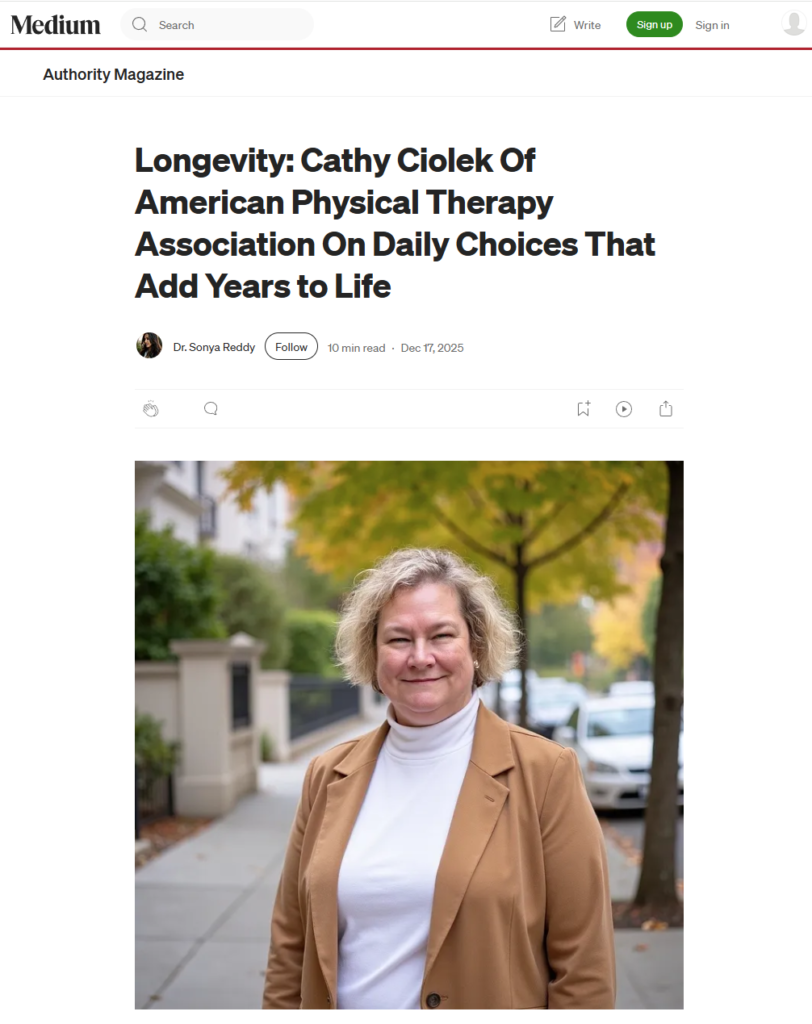
In late December 2025, Cathy was featured in “Authority” Magazine- read the article here
Is This Normal? Aging, Dementia, and the Questions We Don’t Always Ask Out Loud
If you’ve found yourself wondering “Is this normal?” more often lately, you’re not alone.
Changes in memory. Changes in energy. Changes in how someone you love communicates, reacts, or moves through the world. Aging brings questions, and when dementia is part of the picture, those questions can feel heavier, more urgent, and sometimes frightening.
One of the most common things I hear from families and caregivers is this:
“I just wish someone would tell me what’s normal… and what isn’t.”
The Problem Isn’t the Question — It’s the Silence Around It
In dementia care and aging, we don’t always leave enough room for honest, everyday questions. Too often, people feel they should already know the answers, or they worry that asking means something is “wrong.”
But here’s the truth:
- Wondering is normal
- Noticing change is normal
- Feeling unsure is normal
- Wanting reassurance is normal
What’s not helpful is facing those questions alone.
At Living Well With Dementia, we’ve always believed that education doesn’t have to be clinical, overwhelming, or fear-based. It should be grounded, human, and reassuring, centered on connection rather than correction. That belief is at the heart of everything we do, from caregiver education to sensory-based approaches that prioritize emotional safety and presence over testing or “getting it right” .
Meeting People Where They Are
One of the most important lessons in dementia care is this:
You don’t bring someone back to who they were.
You meet them exactly where they are.
The same applies to families and caregivers.
You don’t need to have everything figured out. You don’t need perfect language. You don’t need to be “caught up” or fully informed to deserve support and clarity.
You just need a place where questions are welcomed.
A New Way to Talk About Aging
That’s why I’m getting ready to launch a new YouTube channel called:
Is This Normal? Aging Edition
It’s designed to be a space for short, approachable conversations about aging, dementia, and caregiving — the kind of conversations many people wish they could overhear or ask privately.
No jargon.
No scare tactics.
No shame.
Just honest explanations, context, and reassurance around the things people notice every day and quietly worry about.
Some episodes will explore what is a typical part of aging. Others will talk about when changes might signal something more — and how to approach that gently and thoughtfully.
Why I’m Starting Here
Before launching something new, it felt important to come back here , to writing, to reflection, to slowing down long enough to say:
You’re not behind.
You’re not missing something obvious.
You’re not failing if you’re unsure.
You’re learning in real time, and that’s exactly how this journey works.
This blog, like the upcoming channel, will continue to focus on living well, even when things are changing. Especially when things are changing.
Thank you for being here, for reading, and for asking the questions that matter, even when they’re hard to put into words.
More soon.
Warmly,
Living Well With Dementia